Retail lighting is not a single average-lux exercise. A store has circulation, merchandise, vertical display, fitting-room, cash-wrap, window, and feature-wall tasks that need different distributions and control states. Start with the current ANSI/IES RP-2-20, Recommended Practice: Lighting Retail Spaces, then turn the brand and merchandising brief into a documented lighting hierarchy. The IES practice covers both horizontal and vertical illuminance, uniformity, merchandise-display techniques, daylight, controls, energy codes, and maintenance—useful reminders that a credible retail scheme is more than a fixture schedule.
Begin with merchandise and sightlines
Ask the retailer what must be seen first: racks, shelves, mannequins, feature walls, price labels, changing-room mirrors, or the cash wrap. Mark the principal customer approach and sightline for each display. A fixture that looks dramatic from the aisle may put its brightest reflection directly in a glossy package, a framed image, or a mirror.
Require the lighting calculation to report the actual task planes, not just a whole-store average. For shelves and wall displays, include a vertical calculation at the merchandise plane. For a track head aimed at a mannequin or graphic, include the aiming point, mounting height, beam field, and aiming angle in the submittal. Coordinate the calculation with fixture locations, ceiling height, finishes, racks, and any soffits; a lighting model made before the merchandising plan is fixed is only a starting point.
Build layers with a purpose
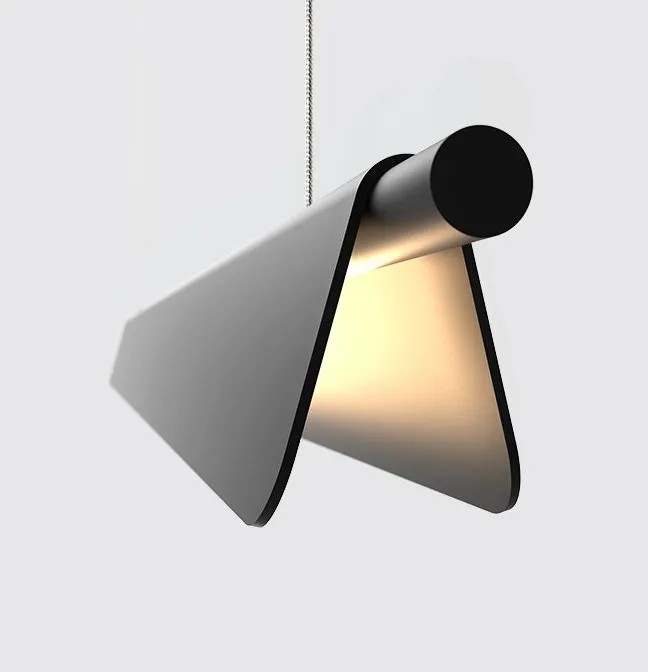
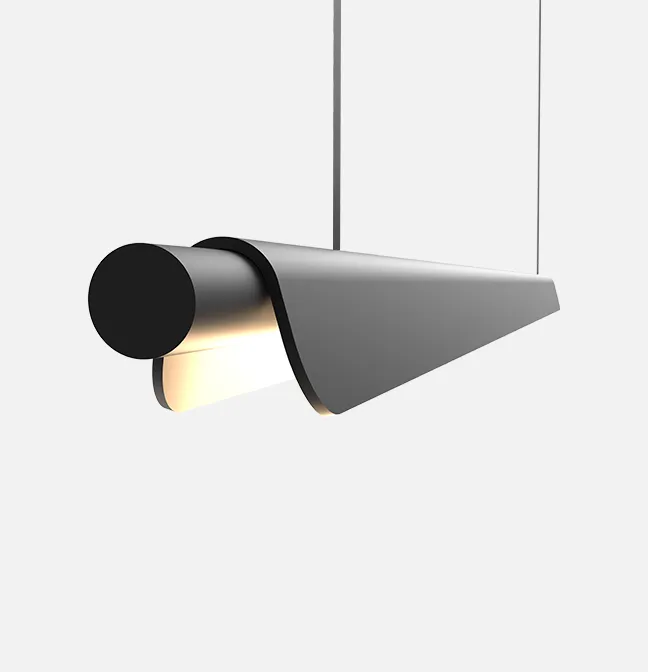
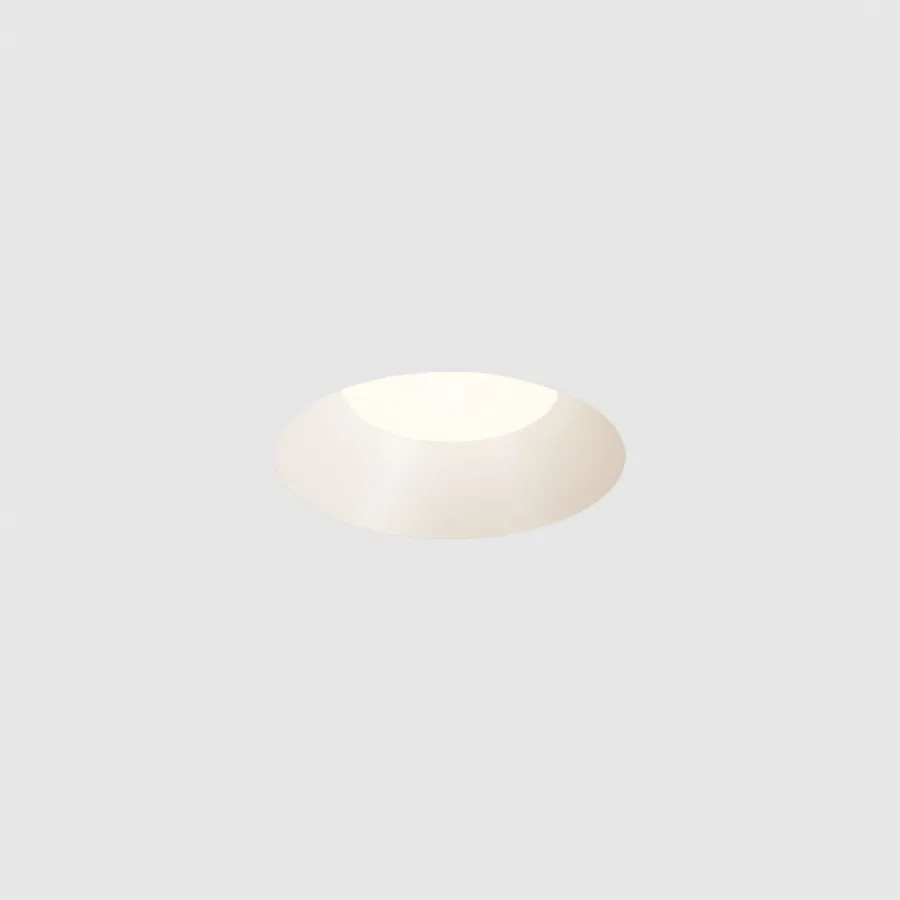
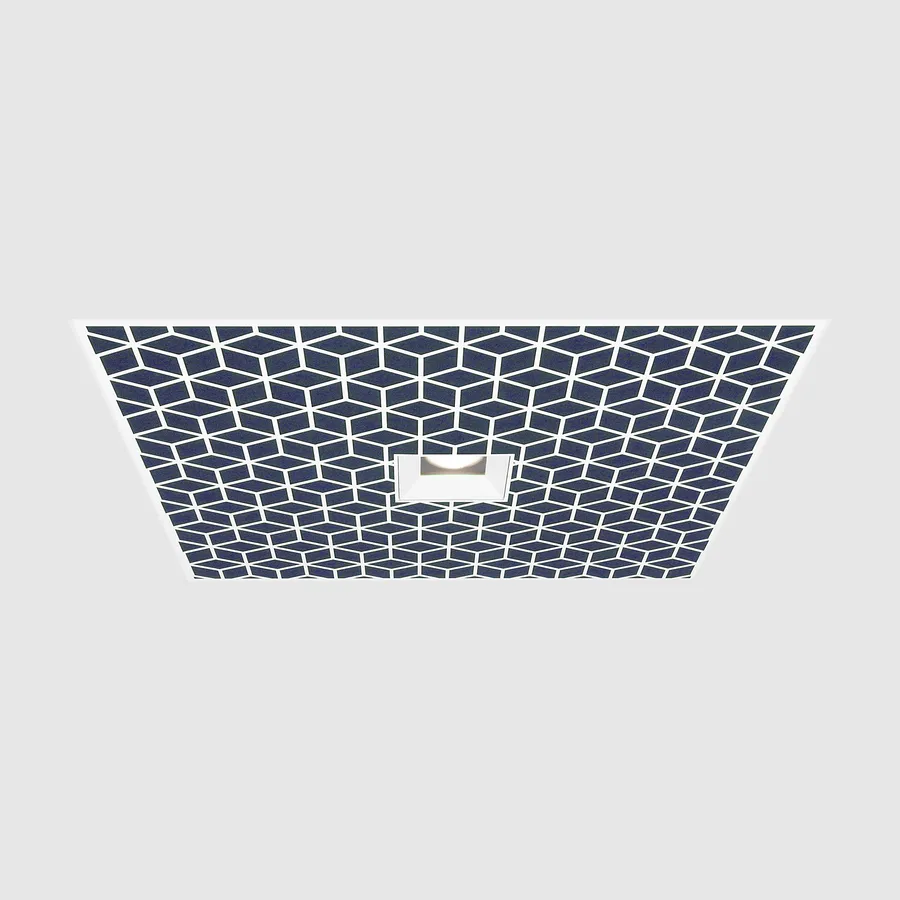
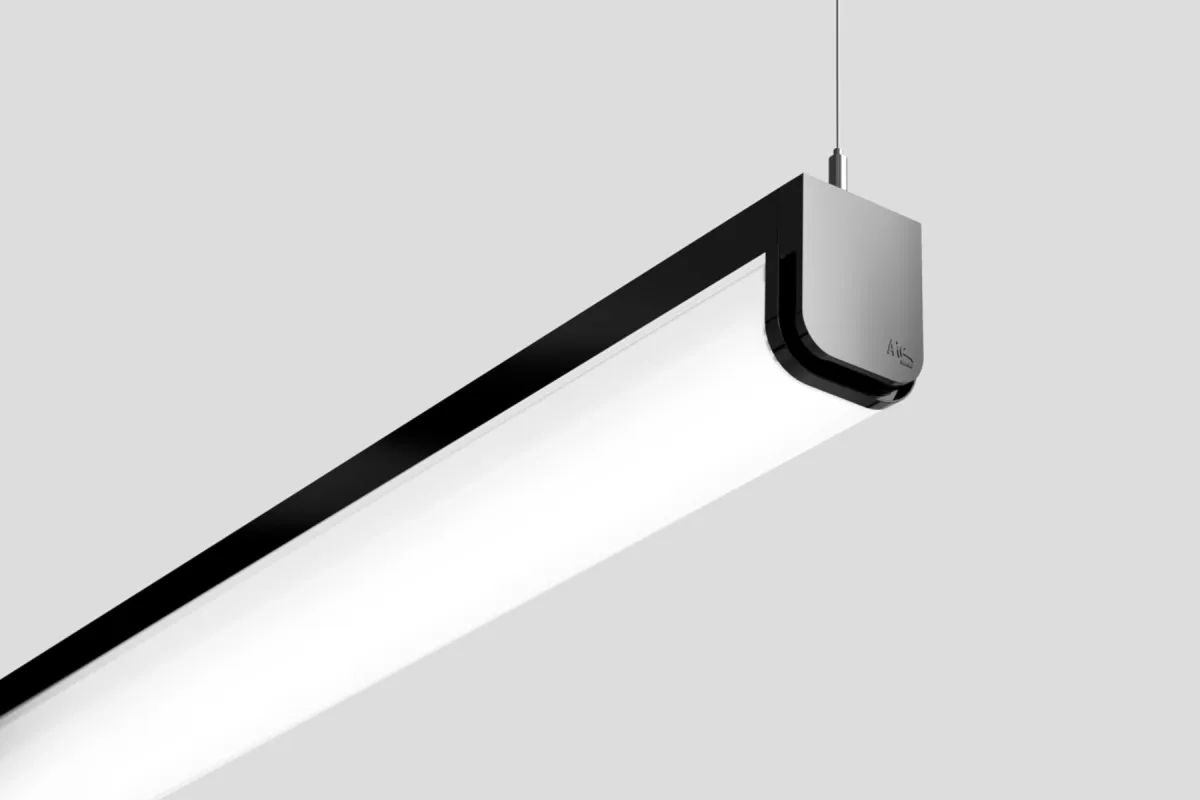
Use a calm, comfortable ambient layer to orient customers and staff, then use accent light deliberately to guide attention. Linear lights or other diffuse general lighting can establish circulation and a consistent ceiling rhythm. Track lights are useful where collections and displays move: their heads can be aimed or re-aimed as the floor plan changes. Downlights can give a clean ceiling plane and focused pools of light, while LED tape and strip lights can reveal shelving, millwork, or signage when the detail and thermal design are appropriate.
Do not make the accent layer carry every lumen. Excessive contrast creates uncomfortable glare, makes stock checks harder, and leaves customers moving between bright and dim zones. Conversely, a perfectly uniform ceiling can make a premium display feel flat. Review renderings and a physical mock-up from a shopper’s eye level, including the view toward windows, mirrors, illuminated graphics, and reflective floors.
Specify color as a selection, not a label
Color is a product decision in retail. CCT, CRI, and a catalog photograph are not enough to predict how a particular LED spectrum will present fabric, cosmetics, food, finishes, or packaging. The U.S. Department of Energy’s TM-30 resources explain that modern color evaluation can report both average fidelity and gamut, together with hue-specific shifts. For color-critical merchandise, request the exact selected CCT, output, optic, and driver configuration; obtain its color-report data; and view it alongside the actual merchandise and adjacent materials.
Keep one documented CCT and color-quality intent for each connected visual zone. If departments intentionally use different white-light appearances, draw the transition in the plans rather than leaving field-selectable settings to an installer. For a refresh, compare the proposed system with the existing store under the same merchandise and finish conditions—especially at fitting-room mirrors and at a storefront that is visible from daylight.
Make flexibility maintainable
Merchandising changes more often than a lighting layout. Give staff a usable record of the track circuit, fixture type, accessory, beam, aiming point, dimming group, and approved scene for each feature display. Provide enough adjustment range to re-aim heads without shining into a customer’s eyes or exposing an unfinished ceiling area. If a fixture uses a field-changeable optic or output setting, record the final installed position on the closeout schedule; do not rely on a generic family cut sheet.
Glare control should survive a reset as well. Review shielding, cutoff, louvering, snoots, or other accessories in the selected configuration, then check a mock-up from the aisle and cashier positions. Cleanability and access matter too: a display light that cannot be re-aimed, relamped, or cleaned without disrupting a fixture wall becomes a visual defect as soon as the first campaign changes.
Zone controls around how the store operates
Separate the ambient, display/accent, decorative, and back-of-house layers so the opening, trading, cleaning, stocking, and closing scenes are intentional. The exact mandatory control method depends on the adopted local energy code and the jurisdiction’s amendments; confirm it early rather than treating controls as a late electrical addendum. This separation is also consistent with the retail controls discussion in California’s Energy Code ACE reference, which distinguishes general, display, and ornamental lighting and describes automatic shutoff and daylight-response conditions.
For daylit storefront or perimeter zones, aim, calibrate, and scene-test the daylight response with the glazing treatments and merchandising in place. A sensor that reacts to a bright window but leaves a feature display visibly underlit is not a successful commissioning result. Provide staff with clear, limited overrides for events or visual resets, then document who can change schedules and scene levels.
Retail lighting submittal checklist
- A room-by-room and display-by-display photometric package, including vertical merchandise planes and assumptions for reflectance, mounting, and light loss.
- Fixture schedules that name the selected CCT, color-quality data, output, optic/beam, shielding accessory, finish, driver, dimming protocol, and mounting method.
- A track and aiming plan with circuiting, head count, beam/accessory selection, aiming point, and a path for future merchandising changes.
- Controls drawings that distinguish ambient, accent/display, decorative, back-of-house, daylight, and after-hours scenes; verify against the adopted code and local authority.
- A mock-up and final aiming session with actual merchandise, mirrors, glazing, and finishes—not an empty shell.
- Closeout records of final field settings, aiming, scene levels, sensor locations, schedule ownership, and maintenance access.